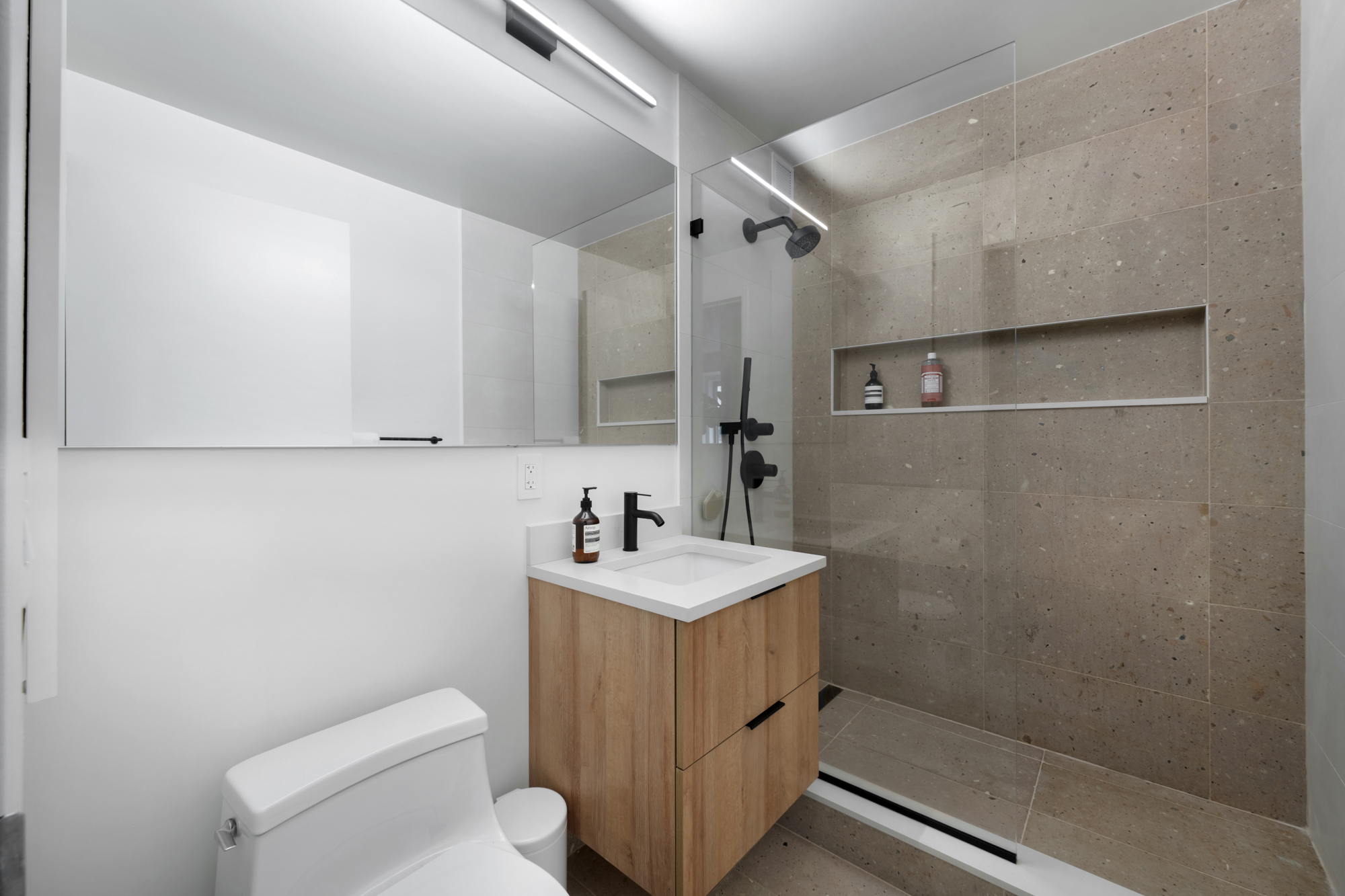
Bathroom remodeling permit NYC requirements can vary depending on the scope of your renovation. In NYC, a bathroom renovation may require building approval and may also require DOB permits, especially when the work involves plumbing, electrical, waterproofing, fixture relocation, or other changes that affect building systems. Cosmetic updates may be treated differently, but in co-op, condo, and apartment buildings, homeowners should always review building management requirements before starting.
Key Takeaways
- Bathroom renovation requirements in NYC depend on the scope of work.
- Co-op and condo buildings often require approval before work begins.
- Building approval and city permits are not always the same thing.
- Plumbing, electrical, waterproofing, and fixture relocation should be reviewed carefully.
- Homeowners should confirm requirements before construction starts.

Renovating a bathroom in New York City is not always as simple as choosing tile, fixtures, and a vanity. In many NYC apartment buildings, the process may involve building management, alteration agreements, insurance documents, licensed trades, and sometimes city permits.
This is especially true in co-op and condo buildings, where management may require approval before any renovation work begins. Even if the work seems small, the building may still want to review the scope to protect plumbing systems, neighboring apartments, waterproofing, and common areas.
This guide explains what NYC homeowners should know about the Bathroom Remodeling Permit in NYC

When a Bathroom Renovation in NYC May Require a Permit
Bathroom remodeling in NYC permit requirements depend on the type of work being performed. Some updates may be mostly cosmetic, while others involve plumbing, electrical, or other building systems.
A bathroom renovation may require additional review when the project includes:
- Moving or changing plumbing lines
- Relocating a toilet, tub, shower, or vanity
- Replacing or modifying a shower body
- Changing electrical wiring
- Adding new lighting, outlets, or switches
- Installing heated flooring
- Performing waterproofing or shower pan work
- Altering walls, floors, or ceilings
- Changing ventilation or exhaust conditions
- Performing work that the building requires to be documented
The more the renovation affects plumbing, electrical, waterproofing, or building infrastructure, the more likely approvals, licensed professionals, or permits will be needed.
Homeowners should not assume that a bathroom renovation is automatically simple because the room is small. In NYC apartment buildings, bathrooms are connected to shared systems, neighboring units, risers, drains, and building rules.

Building Approval vs. City Permits
One of the most common points of confusion is the difference between building approval and city permits.
They are not the same thing.
Building Approval
Building approval comes from the co-op board, condo board, management company, landlord, or building superintendent. This approval may be required before renovation work begins inside the apartment.
A building may ask for:
- Alteration agreement
- Contractor license information
- Insurance certificates
- Scope of work
- Drawings or plans
- Plumbing or electrical information
- Work schedule
- Common-area protection plan
- Neighbor protection requirements
- Security deposit or renovation fees
Even if a city permit is not required for a specific item, the building may still require approval.
City Permits
City permits are related to regulated work under NYC requirements. Whether a permit is needed depends on the specific scope of work and the type of trade involved.
For example, work involving plumbing, electrical, or structural conditions may need additional review. A licensed professional or qualified contractor should review the scope before construction begins.
Because every apartment and building is different, homeowners should confirm both building requirements and city requirements before starting a bathroom renovation.
Why Co-op and Condo Bathroom Renovations Can Be More Complicated
Bathroom remodelings in NYC co-ops and condos often involve more coordination than renovations in private homes. The building has a responsibility to protect the property, other residents, and shared systems.
Common building requirements may include:
- Board or management approval
- Signed alteration agreement
- Contractor insurance certificate
- Work-hour restrictions
- Elevator reservation
- Hallway and common-area protection
- Plumbing shutoff coordination
- Licensed plumber or electrician requirements
- Noise and debris rules
- Protection of neighboring apartments
- Review of waterproofing or floor work
This is why homeowners should begin by requesting their building’s renovation requirements before finalizing the project scope.
The earlier the requirements are reviewed, the easier it is to plan the renovation properly.
Bathroom Work That Should Be Reviewed Before Starting
Some bathroom updates may seem simple, but can create complications in an NYC apartment. These items should be reviewed before work begins.
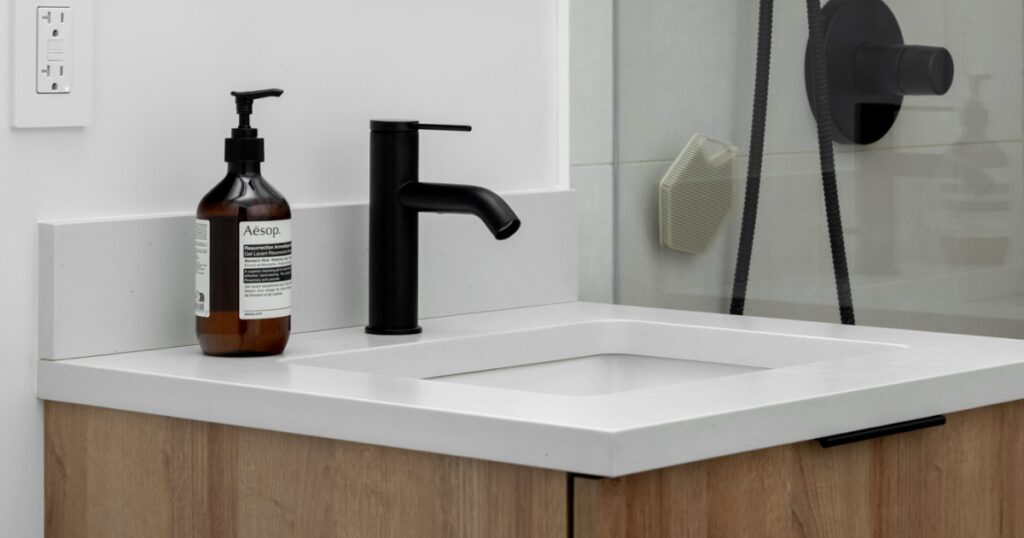
Plumbing Fixture Changes
Replacing a vanity, toilet, tub, shower, or shower body may involve plumbing connections. If the fixture location changes, the project may become more complex.
Tub-to-Shower Conversion
A tub-to-shower conversion can involve waterproofing, drainage, shower body placement, glass installation, and building requirements. It should be reviewed carefully before construction begins.
Shower Waterproofing
Waterproofing is one of the most important parts of a bathroom renovation. Poor waterproofing can lead to leaks, damage, and building issues. Buildings may have specific waterproofing requirements for bathrooms and showers.
Electrical Work
New recessed lighting, outlets, switches, heated floors, lighted mirrors, and medicine cabinets with electrical features may require an electrical review.
Tile and Floor Work
Tile replacement may appear cosmetic, but bathroom floors and shower areas often involve waterproofing, floor preparation, and building rules. This is especially important in apartment buildings.
Ventilation
Many NYC bathrooms have limited ventilation conditions. Before adding or modifying fans, ducts, or ventilation systems, the existing building conditions should be reviewed.

Common Mistakes to Avoid
Mistake 1: Assuming the Bathroom Is Too Small to Need Review
Even a small NYC bathroom may involve plumbing, electrical, waterproofing, and building approval.
Mistake 2: Choosing All Materials Before Understanding Building Rules
Some buildings may have requirements that affect waterproofing, soundproofing, plumbing access, work hours, deliveries, or contractor documentation.
Mistake 3: Confusing Building Approval With City Permits
A building can require approval even when the city requirements depend on the exact scope. Both should be reviewed separately.
Mistake 4: Moving Fixtures Without Reviewing Plumbing Conditions
Relocating a toilet, shower, tub, or vanity can create plumbing complications. These changes should be reviewed before the design is finalized.
Mistake 5: Waiting Too Long to Request Building Requirements
Homeowners should request building renovation requirements early. Waiting until materials are selected or construction is ready to begin can delay planning.

Bathroom Renovation in NYC Permit FAQs
Do all bathroom renovations in NYC require a permit?
Not always. Requirements depend on the scope of work, the building, and whether plumbing, electrical, waterproofing, or other regulated work is involved. Homeowners should confirm the requirements before starting.
Do co-op buildings require approval for bathroom renovations?
Many co-op buildings require approval before bathroom remodeling work begins. This may include an alteration agreement, insurance documents, contractor information, drawings, and management review.
Is building approval the same as a city permit?
No. Building approval comes from the co-op, condo, landlord, or management company. City permits relate to regulated work. A project may require building approval even when city permit requirements depend on the exact scope.
Can I replace bathroom tile without approval?
It depends on the building and the scope. Tile replacement may seem cosmetic, but bathroom floors and shower areas can involve waterproofing and building requirements. Homeowners should confirm with management first.
Does moving a toilet or shower require additional review?
Usually, fixture relocation should be reviewed carefully because it can affect plumbing lines, drainage, waterproofing, and building systems.
Should I contact my building before hiring a contractor?
It is helpful to request the building’s renovation requirements early. This allows the contractor to understand insurance requirements, work-hour rules, alteration agreements, and approval steps.
What documents might my building request?
A building may request an alteration agreement, contractor insurance certificate, license information, scope of work, drawings, and details about plumbing or electrical work.

Klein Kitchen & Bath Can Guide You Through Bathroom Remodeling Permit NYC Requirements
Planning a bathroom renovation in a NYC apartment, co-op, or condo requires careful preparation. Before construction begins, homeowners should understand their building requirements, renovation scope, material selections, and whether plumbing or electrical work needs additional review.
Klein Kitchen & Bath helps NYC homeowners plan bathroom, kitchen, and apartment renovations with a focus on design, coordination, and construction.
Contact Klein Kitchen & Bath to schedule a renovation consultation