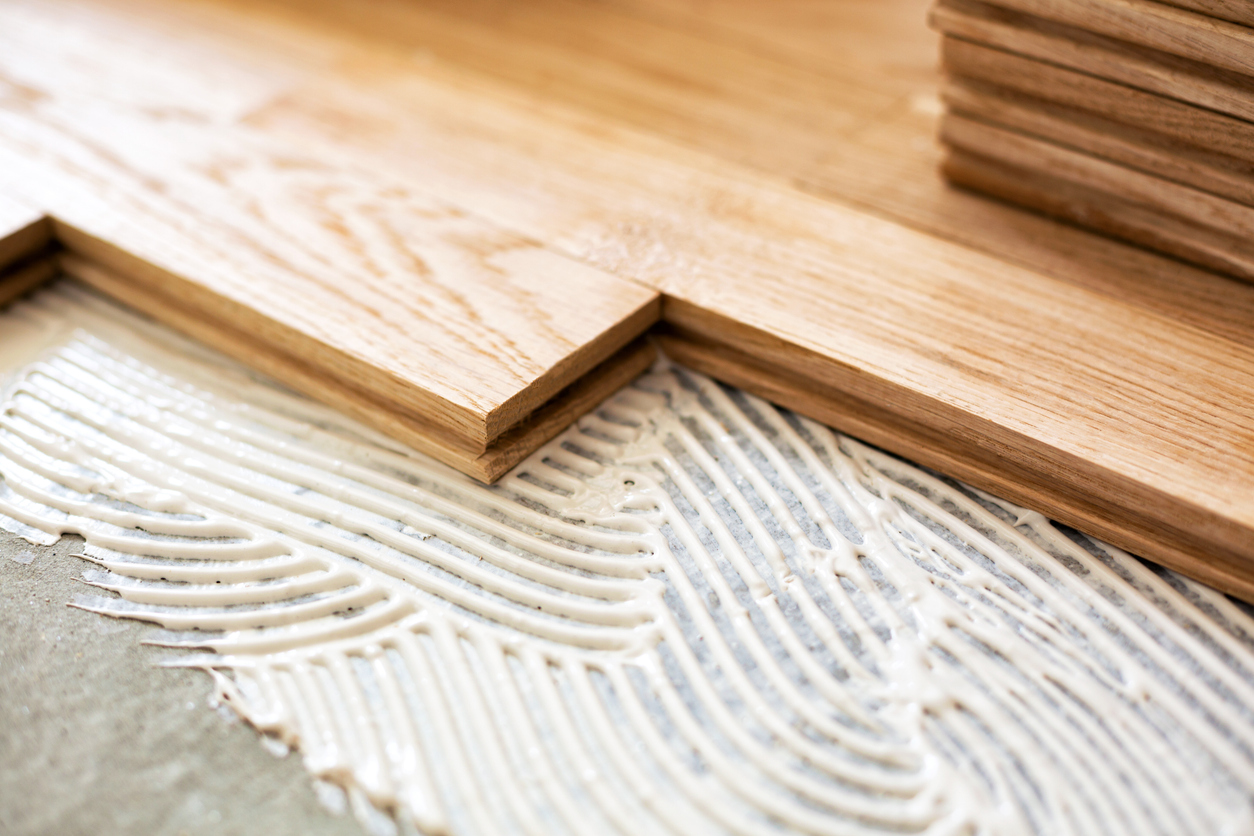
Flooring covers more space than almost any other finish in a home. It influences how a room looks, how it sounds and even how comfortable it feels to walk through.
That makes choosing a floor a little more complicated than finding a color you like. A busy kitchen needs something different from a quiet bedroom. A household with children or pets may prioritize durability, while another homeowner may care most about natural materials and long-term character.
The main types of flooring include hardwood, engineered wood, luxury vinyl, laminate, tile, natural stone and carpet. Each one has advantages, limitations and rooms where it makes the most sense.
Here is how they compare.
Flooring Types at a Glance
| Flooring | Known for | Consider it for |
|---|---|---|
| Hardwood | Natural character and longevity | Living rooms, bedrooms and dining rooms |
| Engineered wood | Real wood with added stability | Living spaces and some lower-level rooms |
| Luxury vinyl | Water resistance and easy upkeep | Kitchens, laundry rooms and busy households |
| Laminate | Wood-inspired appearance and durability | Bedrooms, offices and living areas |
| Tile | Water resistance and design variety | Kitchens, bathrooms and entryways |
| Natural stone | Unique color and texture | Entries, kitchens and statement spaces |
| Carpet | Warmth, softness and sound control | Bedrooms, family rooms and stairs |
1. Hardwood Flooring
Hardwood has a warmth that manufactured wood-look products try to recreate. Because each plank comes from a tree, the grain and color naturally vary across the floor.
Common options include oak, maple, walnut and hickory. The species, plank width, stain and finish all influence the final appearance.
A hardwood floor can often be refinished when it becomes worn, giving it the potential to remain in a home for decades. It works especially well in living rooms, dining rooms, hallways and bedrooms.
Moisture requires more caution. Wood naturally expands and contracts as indoor conditions change, so hardwood may not be the first choice for rooms with frequent water exposure.
Choose hardwood if you value authentic material, natural variation and the ability to renew the surface later.
2. Engineered Wood Flooring
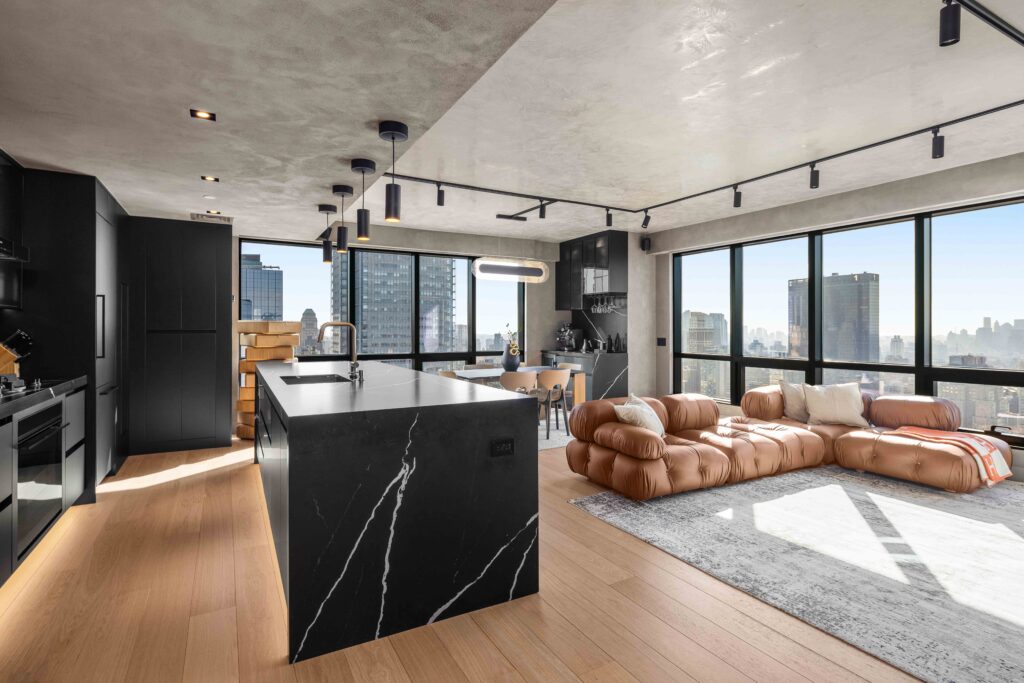
Engineered wood has a genuine hardwood surface attached to a layered core. This construction makes it more dimensionally stable than traditional solid wood.
It still looks and feels like wood because the visible top layer is real timber. The difference is largely beneath the surface.
Engineered flooring can be useful where changing humidity or installation conditions make solid hardwood less practical. Depending on the product and subfloor, it may be installed using nails, adhesive or a floating system.
Not every engineered floor can be refinished to the same extent. A thicker wear layer generally provides more future flexibility, so it is worth looking beyond the color and asking how the product is constructed.
When comparing hardwood vs. engineered wood flooring, think about the room, installation method and how long you expect the surface to remain in place.
3. Luxury Vinyl Flooring
Luxury vinyl has become a common choice for homeowners who want a durable, relatively simple floor that can handle everyday spills.
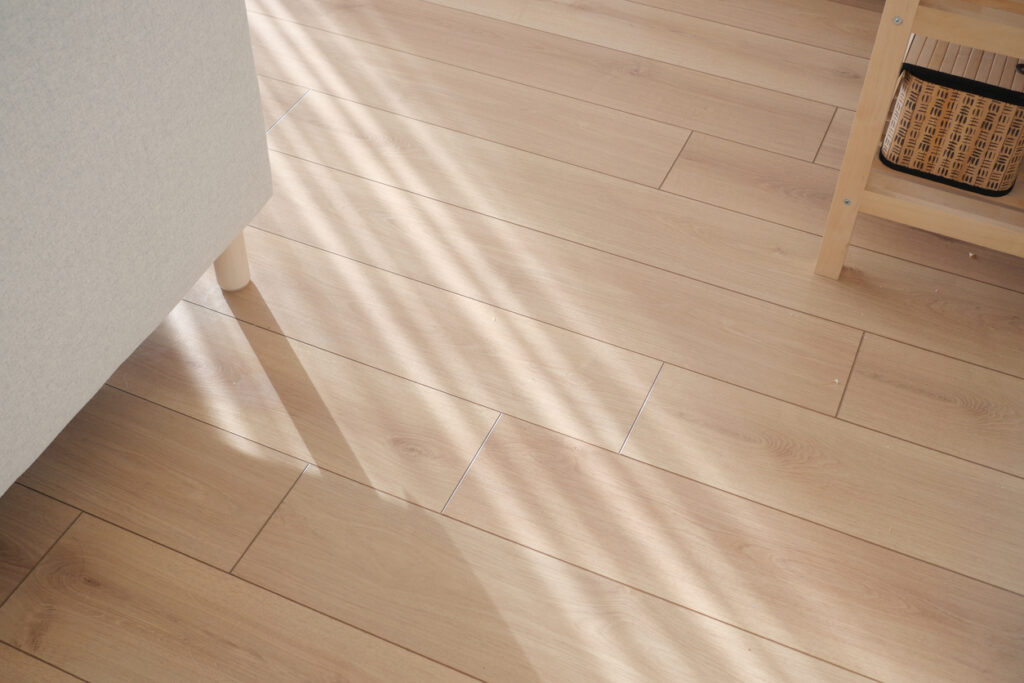
It is available as planks or tiles and can imitate wood, stone and concrete. Better products use detailed patterns and textured surfaces to create a more convincing appearance.
Vinyl flooring is comfortable underfoot compared with harder materials, and many products are designed for water-prone spaces. That makes it a practical option for kitchens, laundry areas, basements and active households.
However, quality varies considerably. Compare the wear layer, overall construction, installation requirements and manufacturer’s warranty instead of choosing by appearance alone.
Luxury vinyl is a strong option when easy maintenance and moisture resistance matter more than using a natural material.
4. Laminate Flooring
Laminate flooring uses a printed design layer beneath a protective surface. Most laminate is designed to resemble wood, although stone and other looks are available.
It can resist scratches and everyday wear well, making it useful in bedrooms, offices and family spaces. Installation is often completed as a floating floor, with the planks connecting over an appropriate underlayment.
Traditional laminate has not always handled moisture well, but newer products may offer improved water resistance. “Water-resistant” and “waterproof” should not automatically be treated as the same claim, so check the product instructions carefully.
Laminate suits homeowners who want a wood-inspired appearance and straightforward upkeep without selecting solid or engineered wood.
5. Tile Flooring
Tile is a broad category that includes porcelain and ceramic products in countless colors, sizes and finishes.
Porcelain is dense and has low water absorption, which makes it a versatile option for kitchens, bathrooms and entryways. Ceramic tile can also work well in many interior rooms, although the specific product must be rated for floor use.
Tile is easy to coordinate with different design styles. It can resemble stone, concrete or even wood, while grout color and tile size provide additional ways to shape the finished look.
Because tile is hard underfoot, comfort and acoustics should be considered. The surface beneath it must also be stable and properly prepared. Large-format tiles make good substrate preparation especially important because floor irregularities can become more noticeable.
6. Natural Stone Flooring
Marble, slate, limestone, travertine and granite each offer colors and textures created by nature rather than a printed pattern.
That makes every natural stone floor unique. It also means variation should be expected. Samples should be reviewed as a group because one piece cannot represent an entire installation.
Some stone is porous or sensitive to certain cleaning products. Sealing and material-specific care may be required. The weight of the stone and the stiffness of the supporting floor can also affect installation decisions.
Natural stone is best for homeowners who appreciate variation and are comfortable following the recommended maintenance routine.
7. Carpet
Carpet brings softness, warmth and sound absorption that hard flooring cannot provide. It remains a comfortable choice for bedrooms, family rooms and some staircases.
Fiber type, pile, density and padding all affect how a carpet looks and performs. A low, dense pile may be easier to maintain in active areas, while a softer carpet may feel more appropriate in a bedroom.
Carpet is generally less suitable near frequent water sources. It can also hold dust and allergens if it is not cleaned regularly.
Choose carpet when comfort, noise control and warmth underfoot are the priorities.
How Should You Choose Between Different Types of Flooring?
Start with the room rather than the sample.
Ask how much foot traffic the floor will receive, whether water exposure is likely and how much maintenance you are willing to handle. Then consider comfort, sound, sunlight and how the flooring will meet adjacent rooms.
A few practical questions can quickly narrow the options:
- Will children or pets use the room?
- Is the area exposed to spills or moisture?
- Do you want a natural material?
- Does the floor need to feel soft or warm?
- Are scratches or dents a major concern?
- Can the material be repaired or refinished?
- What preparation does the existing floor require?
Bring samples into the home and view them during the day and at night. Color can change significantly under different lighting.
Check the Existing Floor Before Choosing a New One
New flooring performs best over a stable, properly prepared surface. It should not be used to disguise movement, sagging or significant irregularities underneath.
If your home has sloping, bouncy or inconsistent floors, read our guide to uneven wood floors in NYC before covering the issue with a new finish.
The room itself matters too. The EPA’s remodeling and indoor air quality guidance recommends considering moisture and ventilation when installing flooring and other interior finishes.
A professional assessment can identify whether the floor needs leveling, repairs, moisture management or another form of preparation.
Which Flooring Is Best for Your Home?
There is no single best flooring for every room.
Hardwood offers natural beauty and longevity. Engineered wood adds stability. Vinyl and laminate provide practical alternatives for active households. Tile and stone suit spaces where a hard, durable surface makes sense, while carpet adds warmth and softness.
The right choice is the material that fits the room, your routine and the way you want your home to feel.
Planning New Flooring for Your Renovation?
Flooring should work with the cabinetry, lighting, wall colors and overall flow of the home—not compete with them.
Klein Kitchen and Bath can help you compare materials and incorporate the right flooring into a coordinated renovation plan. Contact our team to begin planning your space.