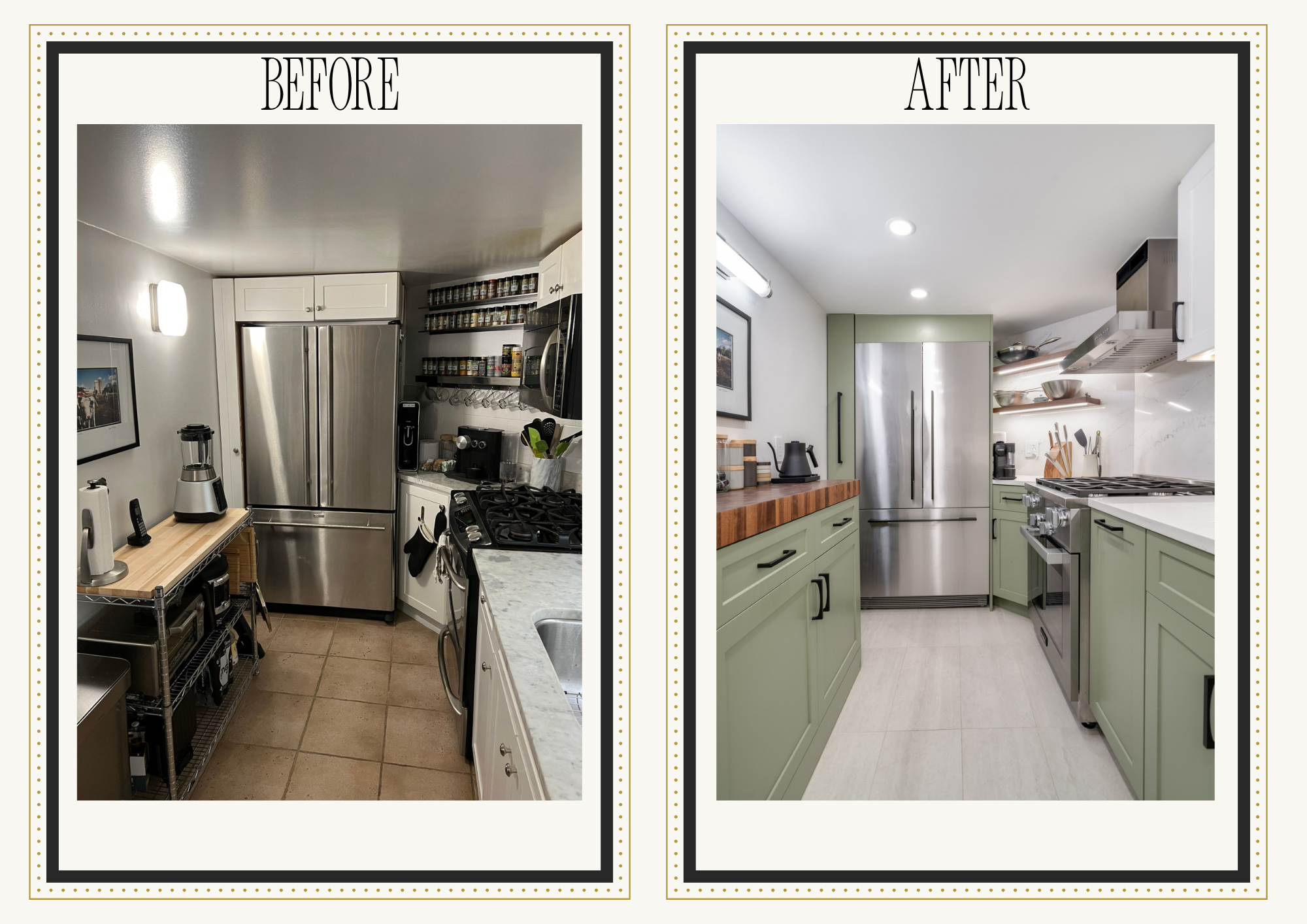
Every great renovation starts with a vision; maybe it’s a sleek, modern kitchen or a spa-like bathroom. If you live in New York City, you probably already know that turning that vision into a reality comes with many hurdles to overcome. Between regulations, complex paperwork, and design logistics, a home remodel can quickly start to feel like a full-time job.
That’s where we come in. At Klein Kitchen and Bath, we believe all you should need to concern yourself with are your ideas and desires. We are a full-service design and build partner, meaning we handle the logistics, the red tape, and the heavy lifting, so you can focus on the exciting part: watching your dream space come together.
Before you commit to a project, here is an informal guide to what actually goes into an NYC renovation process and how we protect you from the typical headaches.
1. Demystifying the NYC Renovation Process
Before demolition begins, a successful home renovation goes through several critical stages behind the scenes. Understanding these phases can help set realistic expectations and reduce unnecessary stress throughout the project.
The Blueprint Phase
This is where the vision takes shape. During this stage, you’ll:
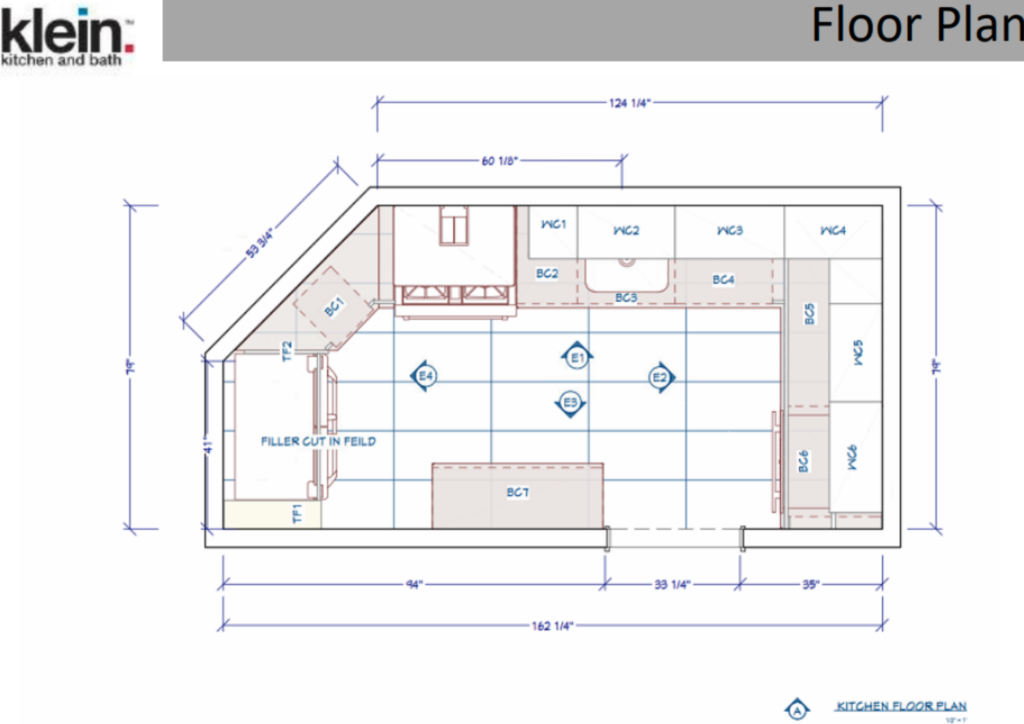
- Finalize the floor plan and layout
- Select materials, fixtures, and finishes
- Refine the overall design aesthetic
- Review budgets and project scope
The Paperwork Phase
Once the design is complete, the project moves into approvals and documentation. Depending on your building and the scope of work, this may include:
- Architectural and engineering plans
- Building management approvals
- Co-op or condo board submissions
- NYC permits and regulatory requirements
The Build Phase
After approvals are secured, construction can begin. This phase typically includes:
- Demolition
- Plumbing and electrical work
- Framing and carpentry
- Installation of cabinetry, tile, flooring, and fixtures
- Final finishes and punch-list items
At NYKB, design and construction are handled under one roof. Because our designers, project managers, and construction teams work together from day one, the process remains streamlined and coordinated. You won’t have to act as the middleman between separate architects, designers, contractors, and vendors.
2. Navigating the Co-op Board Approval Process
For homeowners in NYC co-op and condo buildings, obtaining board approval is often one of the most important pre-construction milestones.
A board review is much more than a simple formality. Its purpose is to protect the building’s structural integrity, shared systems, and residents. As a result, renovation applications typically require a comprehensive submission package.
Common requirements include:
- Detailed architectural drawings
- Proof of contractor insurance
- A signed Alteration Agreement
- Project schedules and timelines
- Building-specific forms and documentation
Preparing these materials independently can lead to weeks—or even months—of back-and-forth communication.
Our team manages the entire submission process on your behalf, ensuring all documentation is properly prepared, organized, and presented according to your building’s requirements. By handling the paperwork from start to finish, we help minimize delays and keep your renovation moving forward as efficiently as possible.
3. Understanding Building Restrictions: The “Wet Over Dry” Rule
One of the most common surprises homeowners encounter during the design phase is architectural restrictions like the “wet over dry” rule.
What Is “Wet Over Dry”?
Simply put, most NYC buildings will not allow you to move a wet zone (such as a bathroom or kitchen) directly over a neighbor’s dry zone (such as a bedroom or living room).
Buildings enforce this rule strictly to minimize the risk of a plumbing leak damaging a neighbor’s ceiling, walls, or living space.
This means you can’t easily expand your bathroom into an adjacent closet or relocate plumbing fixtures if doing so would alter the building’s vertical plumbing stack alignment.
Designing Within Building Restrictions
When you sit down with your design team, we immediately identify these building-specific restrictions and account for them during the planning process.
We’ll show you exactly how to maximize your space creatively while staying within building regulations, ensuring your design is both stunning and fully realistic for approval.

4. How Klein Manages the Red Tape for You
The biggest difference between a stressful renovation and a seamless one often comes down to project management.
A full-service renovation firm does much more than design and build. We act as your project’s coordinator, managing the countless details, approvals, and communications required to keep everything moving forward smoothly.
Permitting & Regulatory Approvals
Our team handles the paperwork required to get your project approved, including:
- Filing permit applications with the Department of Buildings (DOB)
- Coordinating architectural and engineering documentation
- Managing required sign-offs and compliance reviews
Building & Board Coordination
We work directly with your building’s management team and board throughout the approval process, including:
- Submitting renovation packages
- Answering technical questions
- Coordinating requirements related to plumbing, electrical systems, and structural modifications
On-Site Project Management
Once construction begins, we oversee the day-to-day logistics required to keep your project compliant and on schedule, including:
- Managing building work-hour restrictions
- Protecting common areas and hallways
- Coordinating material deliveries
- Handling debris removal and building-specific protocols
Ready to Take the Next Step?
A home renovation is a major milestone, and understanding the process is one of the best ways to ensure a successful outcome.
By partnering with a team that integrates design, permitting, approvals, and construction under one roof, you can avoid the logistical headaches and focus on what matters most—creating a home you love.
When you’re ready to discuss your renovation goals, we’re here to guide you through every step of the process.