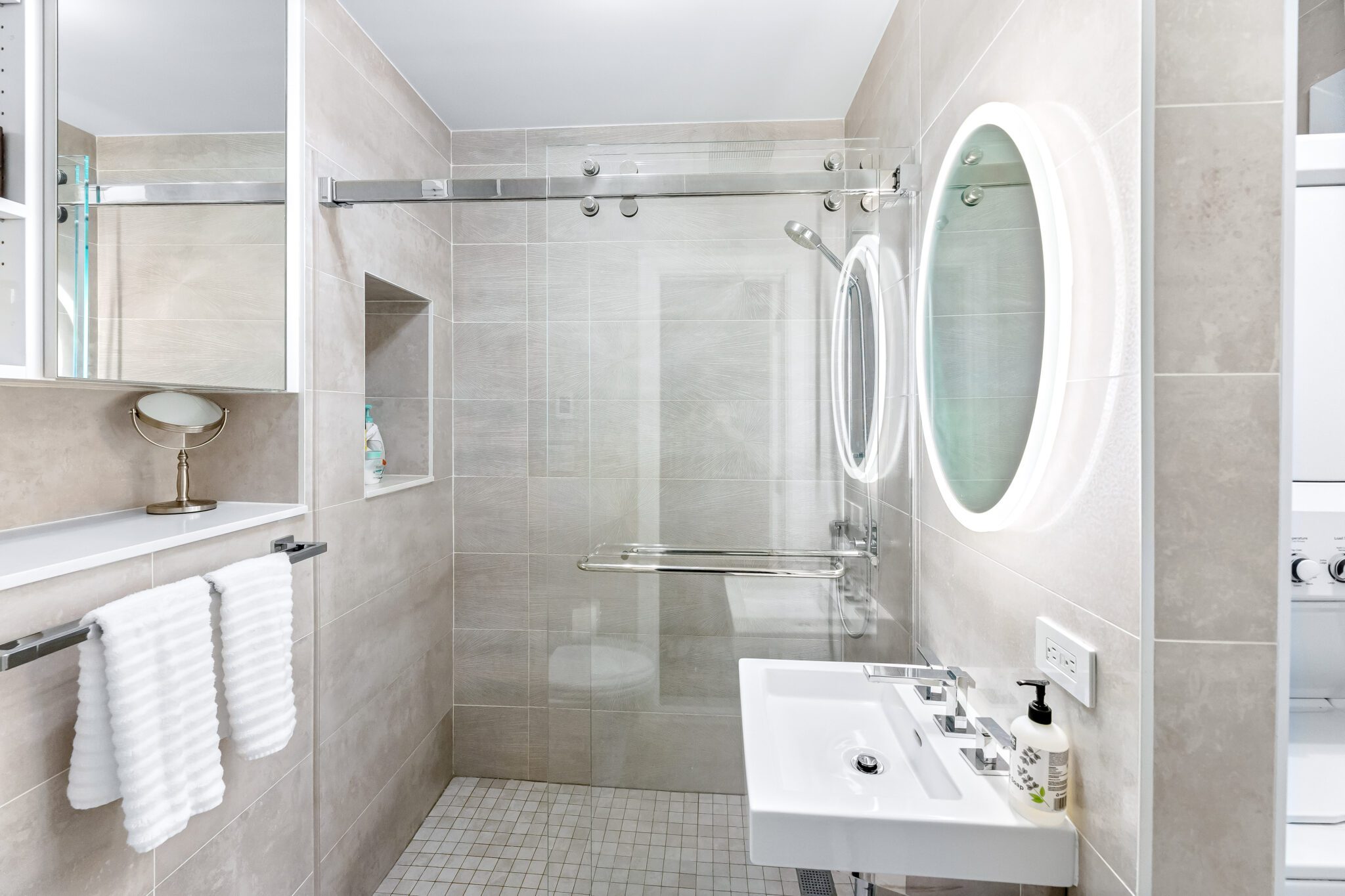
The things you do not see are the ones that protect your home the most
When planning a renovation, most people focus on what will be visible, like tile, cabinetry, flooring, and lighting. But waterproofing and soundproofing are two of the most important decisions you will make, even though they are hidden behind the walls and under the floors. These systems protect your home from moisture damage and unwanted noise, and they have a major impact on how your space performs over time.
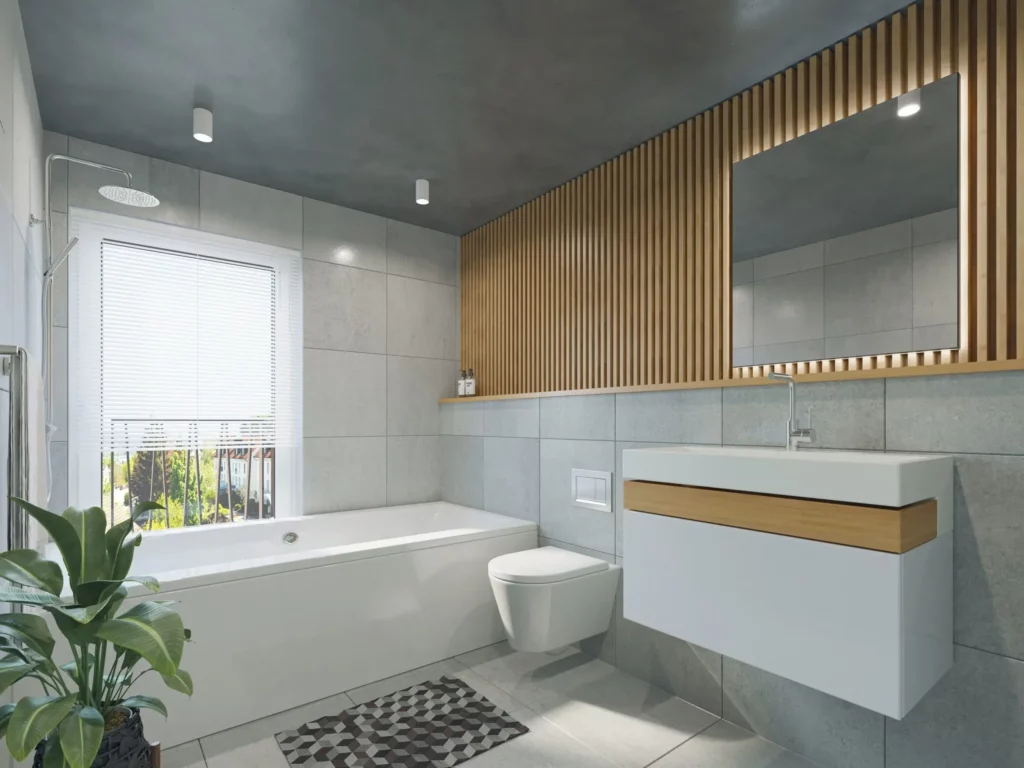
Waterproofing is about stopping water before it becomes damaged
Water does not need a large opening to create a problem. A small leak behind tile or under flooring can sit unnoticed, and by the time it shows, the repair is no longer minor.
Tile and grout do not make a surface waterproof
Many homeowners assume tile keeps water out. It does not. Water can pass through grout lines and small gaps. The real protection comes from the waterproof membrane installed underneath the tile and behind walls.
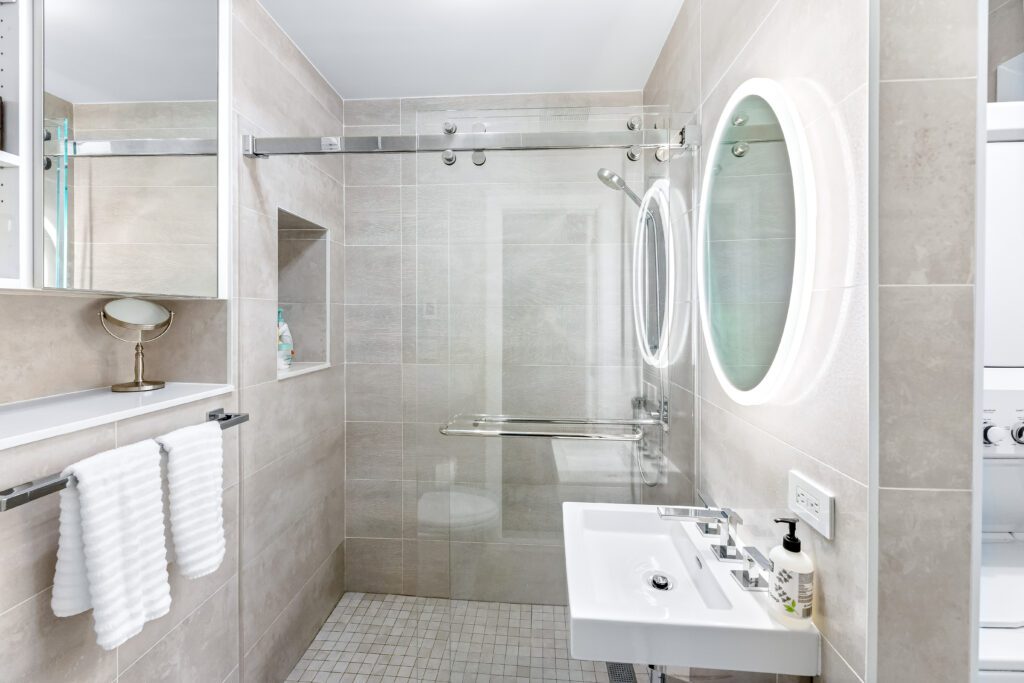
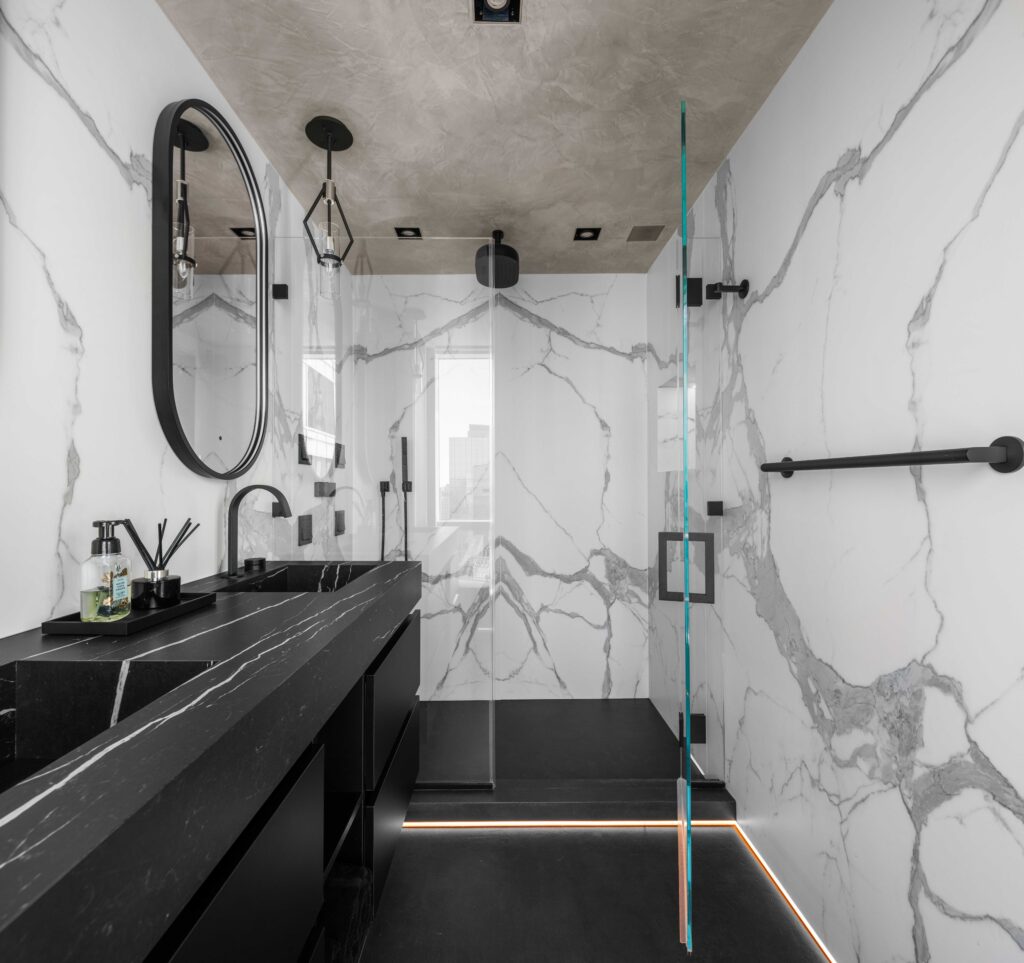
Bathrooms are the highest risk areas in the home
Showers, floors, wall corners, and drains are constantly exposed to moisture. If proper waterproofing is missing or poorly installed, it often leads to mold, loose tiles, and structural damage below.
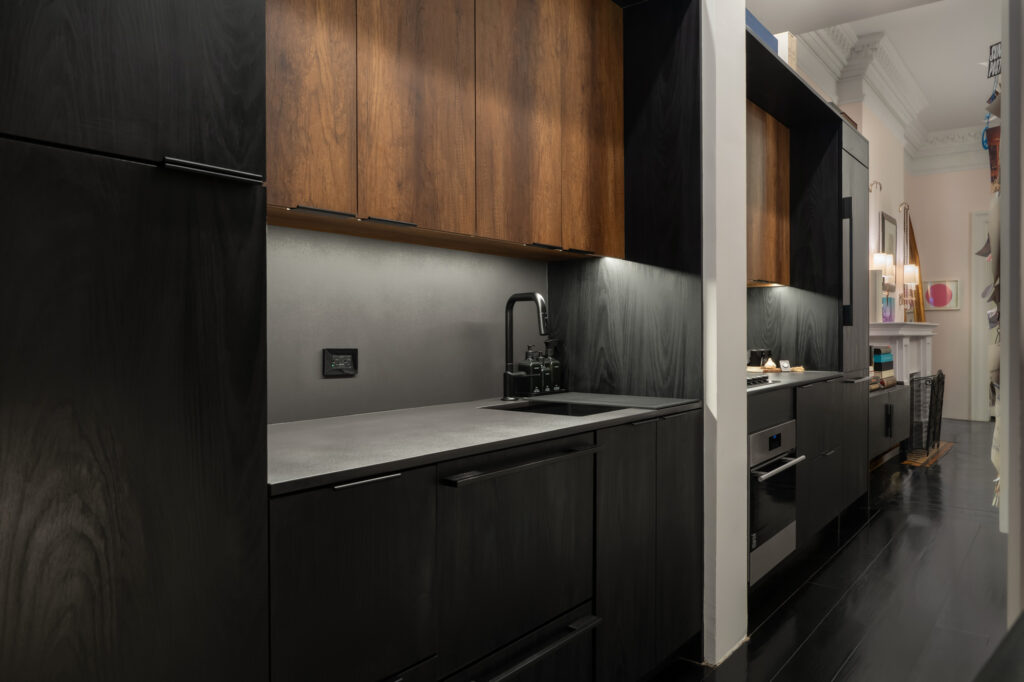
Kitchens can have hidden leak risks, too
Sinks, dishwashers, and refrigerator water lines are common sources of slow leaks. Protecting cabinet bases and subfloors in these areas is part of smart renovation planning.
Lower levels and terraces need serious moisture protection
Basements deal with groundwater pressure, and terraces or balconies over living space can leak into the areas below if not properly sealed. These are structural concerns, not just cosmetic ones.
Soundproofing is about controlling how noise travels
In apartments and multi-level homes, sound moves easily through floors, ceilings, and walls. Renovation gives you a rare chance to improve this.
Floors are one of the biggest noise pathways
Hard surfaces like tile and wood transfer impact noise, such as footsteps and moving furniture. An acoustic underlayment beneath the finished floor helps absorb vibration before it travels to other spaces.
Shared walls also carry everyday noise
Voices, televisions, and daily activity often pass through wall assemblies. Upgrading what is inside the wall can make a noticeable difference in privacy and comfort.
Waterproofing protects the structure
It keeps moisture away from framing, subfloors, and finishes that are expensive to repair once damaged.
Soundproofing protects daily comfort
It improves sleep, reduces stress from noise, and creates a more private and enjoyable living environment.
Yes, both systems can work together
A bathroom floor, for example, can include a waterproof membrane for moisture control and a sound control layer to reduce noise to the unit below. They serve different purposes but can be installed within the same floor system.
After construction, these upgrades are much harder to add
Once the tile is installed and the ceilings are closed, improving waterproofing or sound control usually means opening everything again. Doing this work during renovation is far more practical and cost-effective.
A beautiful renovation is important, but performance matters more
The goal is not only a space that looks new. It is a space that stays dry, quiet, and problem-free for years.
Planning makes all the difference
If you are already renovating, this is the moment to think beyond finishes and make decisions that protect your home long term. Waterproofing and soundproofing are not luxury add-ons. They are part of building a home that truly works the way it should.
Planning a renovation and want to avoid problems later?
Waterproofing and soundproofing are decisions that protect your home long after the renovation is finished. Making the right choices while walls and floors are open helps prevent moisture damage, reduce noise, and improve everyday comfort. You can schedule a free consultation with Klein Kitchen and Bath to discuss your project, your space, and the best approach for both performance and design.